Boeing 737 and 757 jets face new FAA safety checks starting Dec. 7
3 minute read
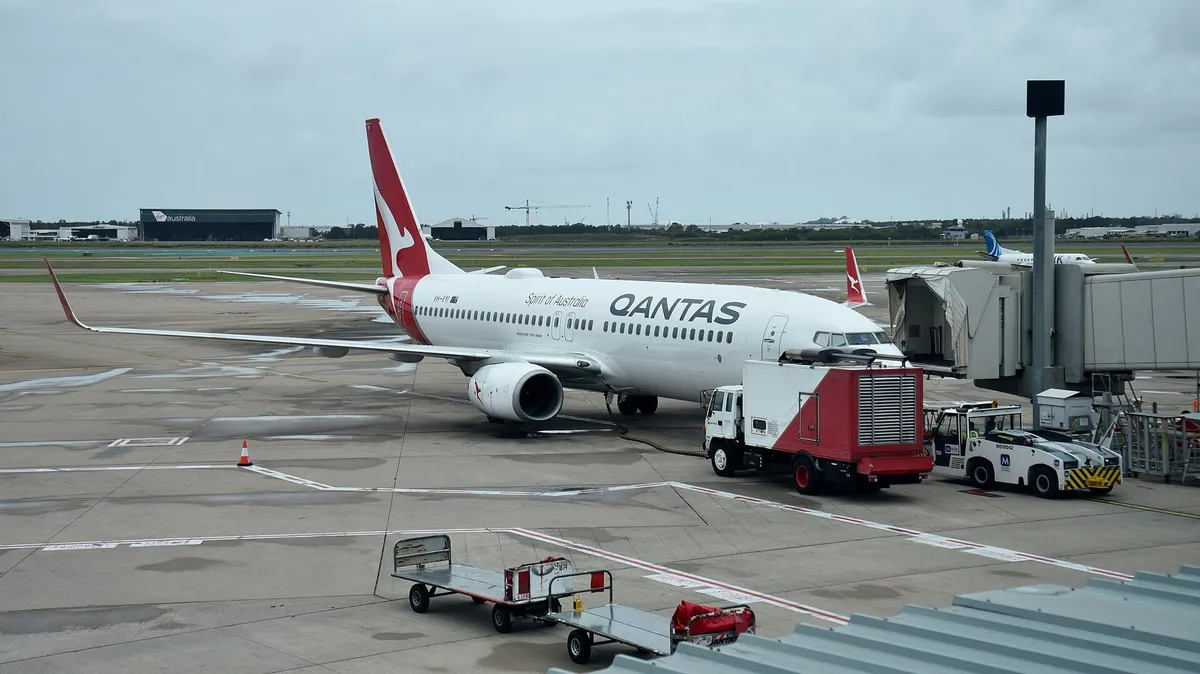
Airlines flying Boeing 737 and 757 jets must run new flight-control tests and fuselage inspections under two U.S. Federal Aviation Administration directives, and the first of them takes effect on Monday, Dec. 7.
By the agency's estimate, the two rules reach 727 jets on the U.S. register, 300 of them 737s and 427 of them 757s.
Three more changes are on the table for ATR 42 and ATR 72 turboprops, with comments due by Jan. 4 or Jan. 7, 2027.
On 737-600, -700, -700C, -800 and -900 series jets, the FAA's 737 directive makes airlines run the digital flight control system's aileron built-in test equipment checks again and again, and do follow-up work wherever it's needed.
It came out of a look at the autothrottle's cruise thrust split monitor. That review found spoiler sensor position data could go missing or come through wrong.
"An uncommanded roll that is not detected and corrected by the flight crew in a timely manner could result in potential loss of control of the airplane," the FAA wrote in the rule.
The agency adopted it without first putting it out for public comment, though it'll still take comments until Monday, Jan. 4, 2027.
Starting Monday, Dec. 28, the 757 directive requires operators to inspect reinforcing repairs already made to frames in the lower fuselage, and to follow up as needed. No such repair is left out, the FAA said.
Boeing told the agency that "all three reports of crack damage occurred at existing reinforcing repairs on section 46 frames."
Left alone, the FAA wrote, the problem could leave a principal structural element unable "to sustain limit load."
Airlines for America pushed back in its comments. Handling every repair before further flight would "potentially cause aircraft groundings and compliance delays," the group said, and it asked for more time. The FAA said no.
Under the mooring proposal, ATR operators would get 30 days after the rule takes effect to write a new mooring procedure into their maintenance or inspection programs. That procedure moves the wind limit to more than 65 knots, from any direction.
A review of mooring loads showed that winds inside the defined profiles could put too much strain on a parked, moored ATR plane's landing gear. Damage like that could cause a loss of control on the ground and hurt maintenance workers, the FAA said.
Some 45 planes on the U.S. register would be affected, at an average cost of $7,650 per operator, by the agency's count. Comments close on Thursday, Jan. 7, 2027.
A separate proposal would require ATR42-500 and ATR72-212A aircraft to carry improved cabin pressure control software. It follows two in-service events on takeoff in which a failed converter produced wrong pressure values.
If the fault isn't fixed, it "could result in excessive cabin altitude rate with potential adverse physiological effects on passengers and crew," the FAA wrote.
Only 20 U.S.-registered planes would need the software, and the manufacturer said warranty may pay for some or all of what it costs. Comments are due Jan. 7.
A third proposal would replace a 2021 directive and widen seat track inspections to more parts. Its aim, the FAA said, is to prevent "a structural failure of the seat track attachment during an emergency landing, possibly resulting in injury to occupants."
It would reach 33 U.S.-registered planes, and comments on it are due Jan. 4.
Dassault FALCON 7X operators face a proposal that would stretch an existing directive on titanium screws to cover more airplanes and more locations.
Those screws were heat-treated improperly when they were made. If one gives way in a critical location, the FAA said, the plane's structure could be weakened.
Covering 52 planes on the U.S. register, the Falcon proposal is open for comment until Jan. 4.
Published on
Up next

EU backs global pledge to cut energy use in buildings by 25 percent by 2035
You May Also Like

Portland, Oregon, agencies urge residents to plan for snow before it's forecast
Transportation agencies in Portland, Oregon, want drivers, transit riders and pedestrians ready…
Home Office pulls approval for some motorway speed cameras in England
National Highways is ending a camera supplier contract after faults from a…
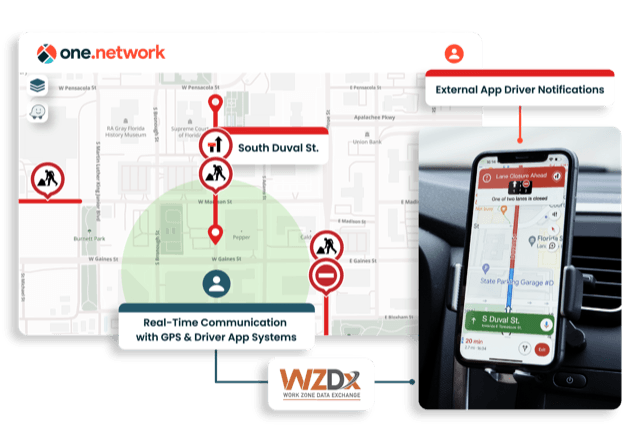
Florida DOT and one.network launch work zone safety pilot project
Road management software as a service (SaaS) technology provider one.network has launched…

In-app drink-riding test launched for e-scooter riders
Micro-mobility provider Tier has unveiled a new bespoke in-app test to deter…