London police to test kit reading drones' number plates after event disruption
2 minute read
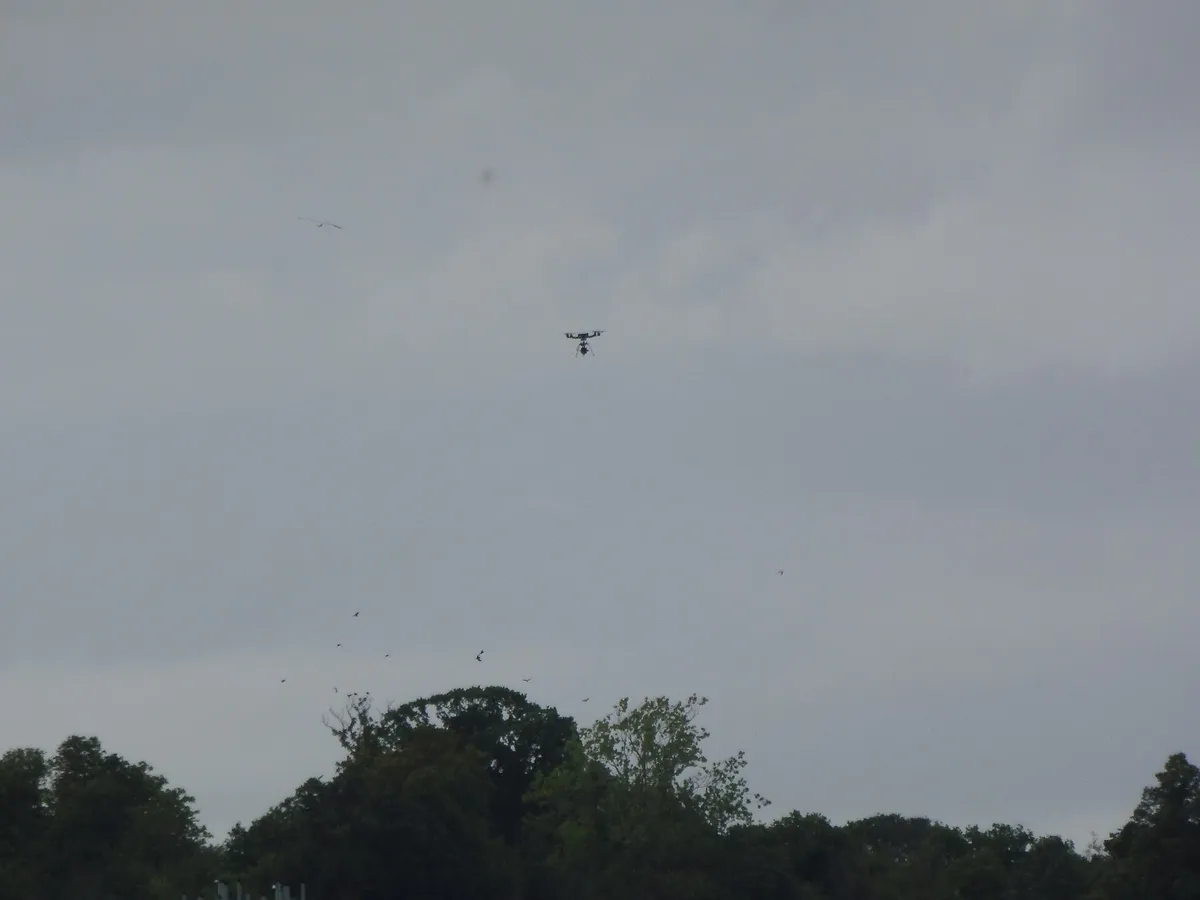
Police in London will test equipment that picks up drones' digital "number plates" over a wider area, under a UK government-backed trial worth nearly £2 million that was announced on Tuesday, Nov. 24.
Current digital plates name a drone and show where it is, but police can generally read them only within a small area. New equipment in the trial will extend that reach and improve accuracy, giving officers a fuller view of drones flying over the capital.
It follows concern about illegal drone flights at public events. An Arsenal match was disrupted in October, and more than 10 drones were seized around Oasis concerts last year.
"Dangerous and nuisance drones can have a real impact by showing up and disrupting major events – not only spoiling the fun but creating a security risk," Transport Secretary Heidi Alexander said.
She said the government is "putting new technology in police hands to track the ‘number plates of the sky’ and crack down on illegal use."
For the trial, the Department for Transport is putting in £1.2 million. A further £500,000 from the Regulatory Innovation Office will pay for new police equipment and infrastructure.
Deployment decisions during the London trial rest with the National Police Chiefs' Council.
Later, the government said, the same measures could back action against drones near airports and other sensitive sites. In October, an aircraft encountered an illegal drone near Heathrow.
The trial is also meant to help drones share the sky safely with other aircraft, which the government said would allow more medical and shopping deliveries, such as Amazon's. Government figures put the UK drone sector's possible contribution to the economy at up to £103 billion over the next 25 years.
Louisa Smith, chief operating officer of the drone delivery company Apian, said tools that let police tell authorised flights from potentially illegal ones "will help build confidence in the safe and responsible use of drones." Her company wants to fly pathology samples, medicines, blood and transplant organs between hospitals and laboratories across London.
In Birmingham, sensors placed beside rail lines already give police and Network Rail a clearer picture of the airspace around key sites. Work also continues on cloud-based tracking software aimed at disruptive drones near airports and railways.
The London project builds on nearly £50 million the government announced in May for drone and flying taxi technology.
Over the longer term, the government said, the trial should give police a clearer view of drone activity across the whole country.
Published on
Up next
EU backs global pledge to cut energy use in buildings by 25 percent by 2035
You May Also Like
Boeing 737 and 757 jets face new FAA safety checks starting Dec. 7
Two FAA directives require roll-control tests on Boeing 737s and fuselage repair…
Portland, Oregon, agencies urge residents to plan for snow before it's forecast
Transportation agencies in Portland, Oregon, want drivers, transit riders and pedestrians ready…
Home Office pulls approval for some motorway speed cameras in England
National Highways is ending a camera supplier contract after faults from a…
Florida DOT and one.network launch work zone safety pilot project
Road management software as a service (SaaS) technology provider one.network has launched…